We’ve all been there. You’re deep in the zone, playing a gritty, high-stakes military shooter where every bullet counts and the atmosphere is thick with tension. You’re clearing a room with tactical precision, heart pounding, and then—out of nowhere—you get dropped by a neon-pink Nicki Minaj or a giant cat in a tracksuit. It’s a total “wait, what?” moment. It’s jarring, it’s weird, and it’s become the “Fortnite-ified” gold standard for how games make money these days. But let’s be honest: it’s also left a lot of us feeling like the games we love are losing their souls.
When did every tactical shooter turn into a fever dream?
This exact tension is currently the biggest talking point in the community surrounding ARC Raiders, the upcoming title from Embark Studios. According to reports from Jagat Review, players have been watching the “skin-pocalypse” in franchises like Call of Duty with a mix of exhaustion and dread. The question everyone’s asking is simple: is this game going to stay cool, or is it going to sell its identity for a quick crossover buck?
The good news? Embark Studios actually seems to get it. They’re drawing a line in the sand—and that line is made of rusted metal and post-apocalyptic grit. It’s a refreshingly stubborn departure from the “anything goes” philosophy that’s dominated live-service gaming for the last five years. And it’s a bold move, too. When you consider that a 2024 Statista report projects the global in-game purchase market to hit a mind-blowing $74.4 billion, saying “no” to wacky, high-profile crossovers is essentially saying no to an easy paycheck. But for a studio led by industry veterans, the long game matters more than a temporary quarterly spike.
Patrick Söderlund is drawing a line in the dirt
Patrick Söderlund, the CEO of Embark, isn’t some newcomer who’s easily swayed by trends. He knows exactly how the industry gears turn. In a recent conversation with IGN, he made it clear that ARC Raiders isn’t going to be a playground for out-of-place brand deals. He’s doubling down on the idea that the game’s “soul” isn’t for sale.
The logic is pretty airtight. ARC Raiders is built on a very specific, atmospheric vision of a world reclaimed by machines. It’s dirty, dangerous, and visually consistent. Söderlund’s point is that the moment you start throwing in superheroes or fast-food mascots, you aren’t just adding content—you’re subtracting immersion. You’re telling the player that the world doesn’t actually matter and the “lore” is just a thin veil for a digital storefront.
“Maintaining the consistency of the vision, the theme, and the identity of the game world is paramount. We want every element to feel like it belongs in the universe we’ve built.”
Patrick Söderlund, CEO of Embark Studios
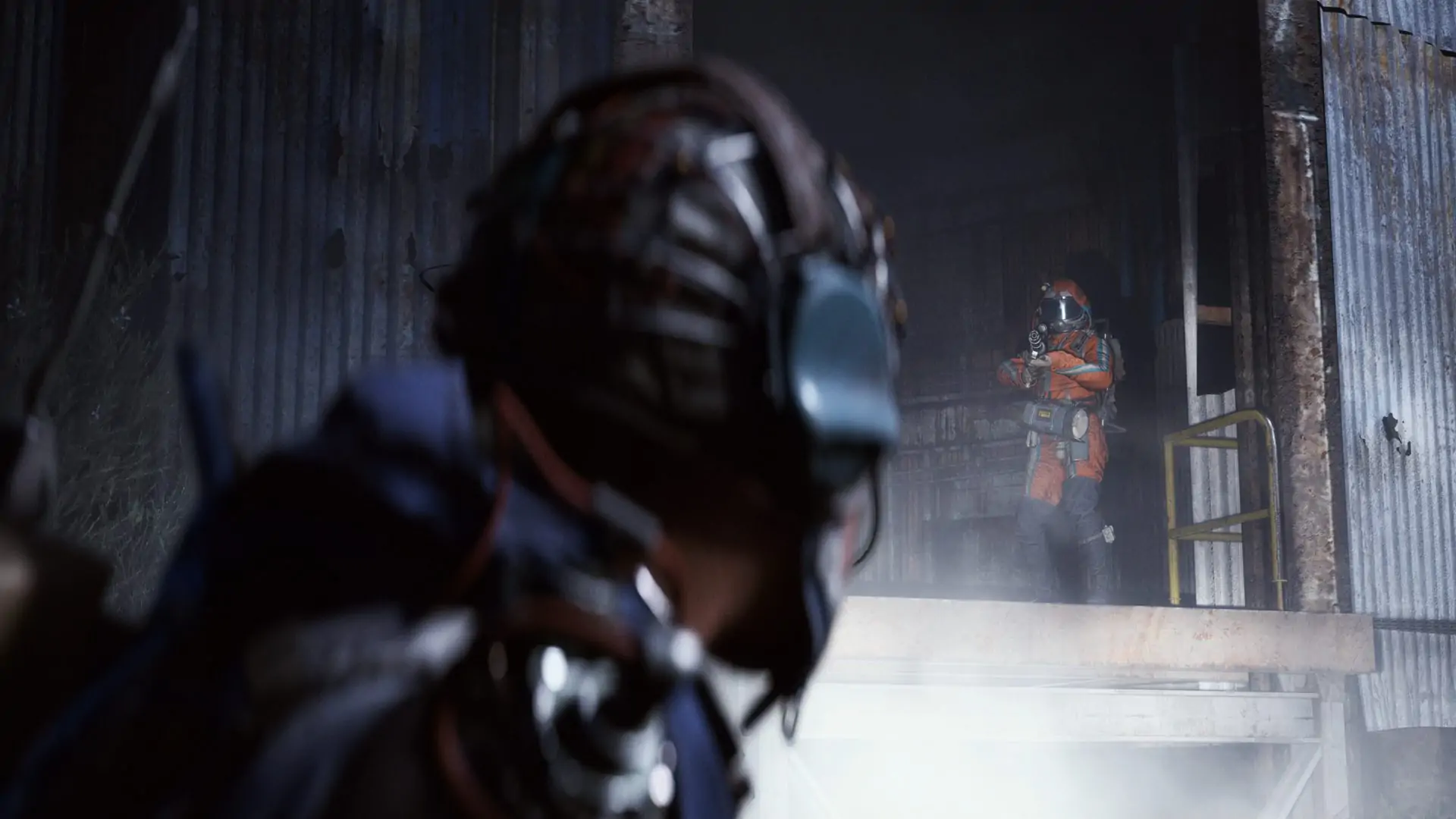
And that world? It’s something special. Art Director Robert Sammelin isn’t interested in “generic.” If you’ve seen the concept art, you know every backpack, every charm, and every piece of gear looks like it was scavenged and repaired in a machine-ruled wasteland. It’s a commitment to internal logic that we just don’t see in the AAA space anymore.
The high cost of breaking the fourth wall
Why does this matter to us, the people actually playing the game? It comes down to ludonarrative resonance—which is just a fancy way of saying the gameplay and the world need to feel like they’re on the same team. When a game stays true to its aesthetic, your brain stays “in” the world. You aren’t just clicking buttons; you’re a Raider trying to survive.
A 2023 report by Newzoo found that roughly 43% of core gamers stick with a title for more than six months because of “immersion and world-building.” When you break that with a jarring crossover, you risk losing that core base. Sure, you might get a surge of “tourists” who buy the funny skin and vanish two weeks later, but you’ve damaged the relationship with the players who actually keep the servers populated. I think we’ve finally hit “crossover fatigue.” Seeing characters collide used to be special; now it just feels like an ad.
“Raider Drip”: The Customization Compromise
Now, don’t get it twisted—this doesn’t mean ARC Raiders is going to be a boring, brown-and-grey slog. Söderlund admitted he’s a total sucker for gear; he’s the guy who will spend twenty minutes agonizing over which charm looks best on his pack. The difference is that all those options will exist within the boundaries of the game’s reality.
This is where the real creativity happens. It’s easy to slap a licensed character model into a game. It’s much harder to design 50 different scavenged vests that all look unique but still feel like they belong in the same universe. That’s the challenge Embark is taking on. They want to give us the “drip,” but they want it to be authentic. Personally? I’d take a cool, kit-bashed tactical rig over a superhero cape any day. It feels earned.
Will there be any collaborations at all?
Embark hasn’t ruled them out entirely, but they’ve been very clear: any partnership has to make sense. Don’t expect pop stars; expect things that feel like they could actually exist in a world reclaimed by machines. If it doesn’t fit the lore, it doesn’t get in.
How will the game survive without those massive crossover checks?
The plan is to focus on deep, lore-integrated customization. We’re talking backpacks, charms, and gear sets that allow for expression without breaking the art style. They’re betting that a dedicated, immersed player base is more valuable in the long run than a quick cash grab.
Who’s the person behind the look of the game?
That would be Robert Sammelin, the Art Director. His goal is to ensure that every single item you can equip feels grounded. If it looks like it was scavenged from a machine-ravaged world, it’s in. If not? It’s out.
A breath of fresh (if slightly rusted) air
At the end of the day, ARC Raiders is making a play for the “prestige” crowd. They’re betting that there are enough of us who are tired of the circus and just want to play a game that feels like a cohesive piece of art. It’s a gamble, but it’s one that builds something rare in modern gaming: trust. By promising to keep the world “pure,” Embark is telling their community that they value the vision as much as the profit.
If they pull this off—providing deep customization that doesn’t break the world—they might just set a new standard for live-service games. And frankly? It’s about time. We’ve spent enough time in the neon circus; I’m ready to get back to the scavenging.
This article is sourced from various news outlets. Analysis and presentation represent our editorial perspective.