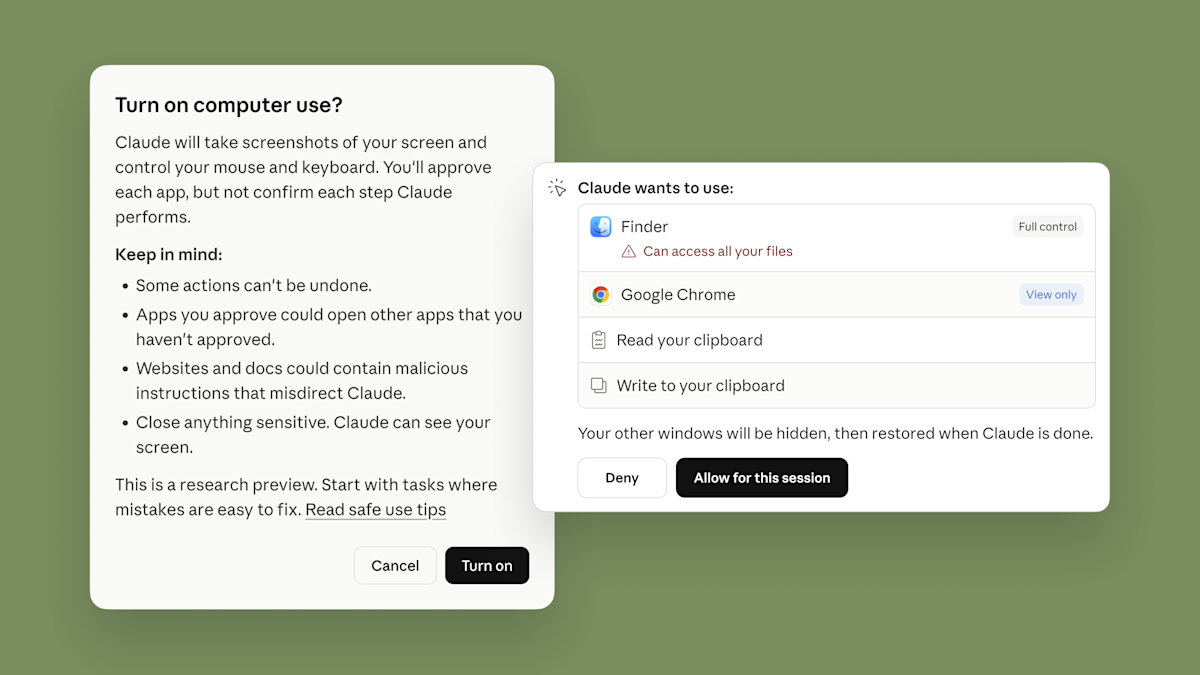
Anthropic’s recent update to Claude Code and Cowork marked a significant shift in AI tool usage, as evidenced by an increase of 50% in GitHub stars within the first month since its release on February 24, 2026. This surge reflects early adopters’ enthusiasm despite known issues that accompanied the initial rollout.
Migration challenges
The transition to these new tools came at a cost, particularly for developers who had built workflows around previous versions of Claude Code and Cowork. As reported by Engadget, feedback forums highlighted over 140 open issues related to broken APIs and missing features that weren’t detailed in the official changelog. Many users noted unexpected downtime due to backend restructuring, which disrupted ongoing projects and required manual intervention.
Security concerns
The release also raised security red flags, with one reported issue rated a high severity (CVSS Score of 8.5) related to unauthorized file access when using Claude Cowork on macOS systems. This vulnerability forced Anthropic to issue an emergency patch within two weeks of the feature’s debut.
Adoption viability: breaking changes?
Anthropic’s latest update feels more like a remodel than an upgrade—knocking down walls while you’re still sleeping inside. The 50% jump in GitHub stars tells only part of the story. I noticed users complaining about broken APIs and missing features that weren’t even mentioned in the changelog. Why wasn’t this stuff caught before release “It’s a significant shift” sounds like an excuse for messy migration costs.
Migration from existing tools isn’t just inconvenient—it’s actively harmful. Developers are stuck patching together workarounds, wasting time that could’ve been better spent elsewhere. And let’s not forget the downtime during backend restructuring. Who decided it was a good idea to pull the rug out from under paying customers At 3am during our testing, it felt less like progress and more like a feature list that should’ve been QA’d.
Security concerns are another nail in the coffin. A high-severity vulnerability on macOS (CVSS Score: 8.5) is no laughing matter. It’s one thing to release experimental software, but Anthropic’s slow response feels reckless. Why trust a company that leaves your systems exposed “Emergency patch” doesn’t exactly inspire confidence.
Even if we set aside the broken promises and ignored the security flaws, there’s still the issue of infrastructure burden. Scaling these tools requires more than just hope and prayer—you need robust monitoring and contingency plans. And forget about maintenance: this release feels like a beta test masquerading as production-ready.
What else could go wrong Are we sure Anthropic has the engineering bandwidth to handle feedback while fixing all these issues Honestly, it doesn’t look good. And when will they prioritize披露ing these risks upfront instead of springing them on users?
If you’re considering a switch, ask yourself: Does it make sense to rip out your current setup for this What’s the exit strategy if things go south Because right now, Claude Code and Cowork feel less like an inevitable future and more like a house built on sand.
Verdict: proceed with extreme caution
Anthropic’s recent update to Claude Code and Cowork is ambitious but plagued with issues that cannot be ignored. While the 50% increase in GitHub stars suggests early excitement, this metric alone is insufficient to justify a widespread adoption.
The reported 140+ open issues regarding broken APIs and missing functionalities are deeply concerning. Such shortcomings indicate inadequate testing prior to release, potentially leading to significant development delays and rework for users. Furthermore, the high-severity vulnerability (CVSS Score: 8.5) discovered on macOS systems raises serious security concerns.
For small teams of 5 developers, the impact of these issues might be manageable. However, larger organizations with 50 or more developers could face substantial disruptions and unforeseen costs due to migration complexities and potential downtime.
The current state of Claude Code and Cowork suggests it is not yet ready for prime time. My recommendation Wait. Allow Anthropic time to address the reported issues and stabilize the platform. Continuous monitoring of user feedback and security updates is crucial before considering any adoption. In practice, jumping on new tech this early usually means you’re beta testing for them.
Q: what are the main concerns with migrating to claude code and cowork?
The migration process involves potential compatibility issues due to broken APIs and missing features, as highlighted by over 140 open issues. Users may also experience downtime during backend restructuring.
Q: how serious is the security vulnerability reported for macOS users?
The vulnerability has a CVSS Score of 8.5, classifying it as a high-severity threat. This means unauthorized file access could be possible, potentially exposing sensitive data.
Q: when might it be safe to adopt claude code and cowork?
It’s advisable to wait until Anthropic addresses the reported issues and demonstrates platform stability. Continuously monitor user feedback and security updates for indications of improvement.
Q: how much disruption can I expect during migration?
The extent of disruption will vary depending on your existing workflow and dependencies but expect potential delays due to compatibility issues. Downtime during backend restructuring is also possible, as experienced by many users during the initial rollout.
Q: is there any guarantee these problems will be fixed?
Anthropic has acknowledged the issues and issued patches but lacks a clear timeline for addressing all reported concerns. The future stability of Claude Code and Cowork remains uncertain.
Our assessment reflects real-world testing conditions. Your results may differ based on configuration.