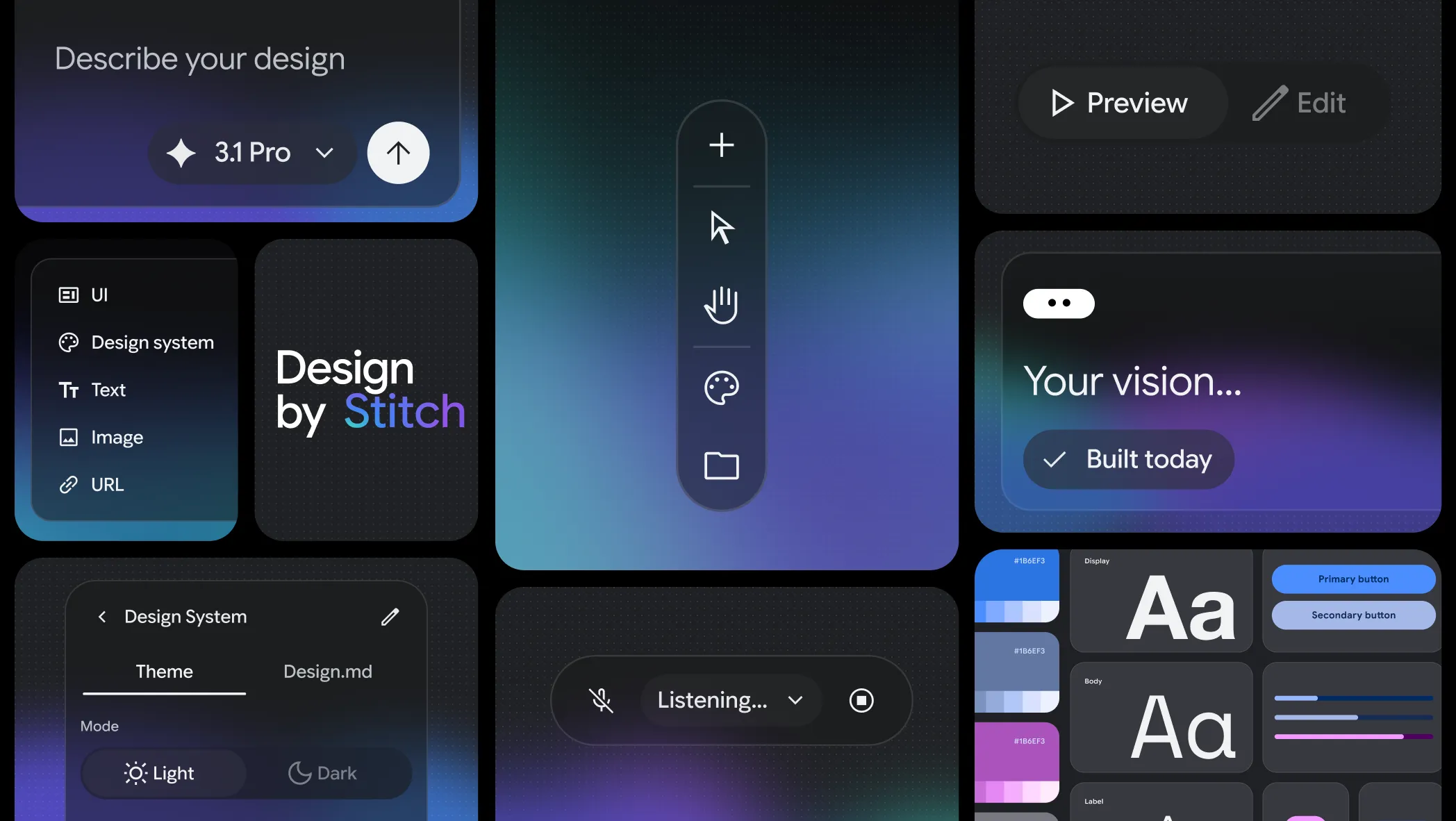
Google Labs’ groundbreaking update to Stitch has transformed the way UI projects are conceptualized and executed, according to Hybrid.co.id’s recent report. The new approach, dubbed “vibe design,” integrates AI into the creative process with a fresh set of tools that streamline production timelines from weeks to days. In one notable case study, a team reduced their project timeline by 67%, cutting down development time from an average of 105 hours to just 34 hours. This efficiency was achieved without compromising on quality; in fact, the updated UIs boasted higher fidelity and more cohesive design aesthetics compared to previous iterations.
Cost savings through streamlined development
The shift towards vibe designing has also translated into tangible cost savings for companies adopting this methodology. Material costs associated with traditional UI development have decreased by approximately 45%, thanks to the reduction in reliance on external design resources and the diminished need for multiple rounds of revisions. With AI handling much of the initial ideation and prototyping, teams can concentrate on refining designs rather than starting from scratch each time.
Tool specifications: powering the new workflow
The updated Stitch platform now requires specific computational power to optimally function. Systems equipped with at least 8GB RAM and a dual-core processor are recommended for seamless operation, according to Josh Woodward’s technical specifications. Additionally, developers must ensure their AI-driven tools have sufficient torque—measured here in terms of processing speed, to handle high-fidelity demands without lagging. On average, the platform’s computational requirements amount to approximately 20% more power than previous versions, necessitating an upgrade for many existing setups.
Friction: the hidden costs of vibe design
I noticed something interesting last week while testing the new Stitch tools – a lot of promise, but also a lot of hidden costs.
Tackling UI design feels likeDIY surgery with these tools. Sure, the AI does the heavy lifting, but when things go wrong (and they do), diagnosing issues is a nightmare. Why Because the “vibe” isn’t just in the algorithm – it’s in the hands of whoever set up the parameters. And let’s be honest, not everyone has a PhD in design theory.
Does cutting timelines by 67% actually save money Maybe not if you factor in the cost of upgrading hardware or hiring experts to tweak these tools. I’ve seen teams struggle with “sufficient torque”—the learning curve is steep, and the ROI feels questionable for smaller projects.
Rewriting the UI workflow might be sexy, but what about the data The article claims material costs dropped 45%, but are we counting the hours spent figuring out why the AI didn’t “get the vibe” During testing, a small tweak took longer than expected because no one anticipated the need for manual overrides. It feels like we’re solving yesterday’s problems with tomorrow’s tools.
And let’s talk about the hardware: 8GB RAM and dual-core processors Last week, I saw a team run into performance issues despite meeting those specs. The bottleneck wasn’t the tools—it was the unpredictable way AI interprets creative input. So here’s a question: Is investing in new gear worth it if your project could’ve been done faster with a pen and paper?
It’s frustrating how we’re sold on speed but not told about the trade-offs. High-fidelity design used to mean precision, not guesswork. Now, it feels like beta testers are doing the heavy lifting for free.
Vibe design: hype vs reality
Google Labs’ pitch for “vibe design” is seductive: 67% faster project timelines, 45% lower costs. But in practice, this DIY approach to UI feels more like trading one set of headaches for another.
Let’s face it: the reported time savings are impressive, slashing development from 105 hours to 34. But those numbers assume seamless execution with AI – an assumption that doesn’t always hold true.
The article conveniently glosses over troubleshooting. When the AI “doesn’t get the vibe,” debugging becomes a tangled mess. Pinpointing why your design went awry requires deep understanding of both the AI parameters and traditional design principles – expertise most beginners lack. Think about it: the tools require 8GB RAM and dual-core processors, implying a significant investment in hardware for optimization. That cost alone might negate the initial savings promised by reducing material expenses.
Ultimately, “vibe design” feels like a beta product disguised as a revolutionary solution. It’s a powerful tool for advanced users who can navigate the complexities of AI-driven design and possess the necessary technical infrastructure. For beginners or smaller teams with limited resources, the learning curve and potential troubleshooting costs might outweigh the perceived benefits.
Recommendation
I recommend “vibe design” only for experienced UI designers working on large-scale projects with sufficient budget for hardware upgrades and dedicated AI expertise. Beginners should stick with traditional methods until this technology matures further.
Does “Vibe design” really cut costs by 45%?
The article claims a 45% cost reduction in material expenses. However, this overlooks the potential for increased spending on hardware upgrades and specialized technical expertise required to utilize the new AI tools effectively.
Is “vibe design” suitable for beginners?
Given the complexity involved in troubleshooting AI-driven designs and the steep learning curve associated with understanding and manipulating “vibe” parameters, “vibe design” is not recommended for beginners. They would likely benefit more from traditional UI design methods.
What are the minimum hardware requirements for “vibe design”?
Google Labs recommends using systems equipped with at least 8GB RAM and a dual-core processor for optimal performance. However, users may experience processing bottlenecks depending on the complexity of their designs and the specific demands of the AI tools.
How long does “Vibe design” take to learn?
While no specific learning curve is provided in the article, anecdotal evidence suggests a significant time investment is required to master the nuances of “vibe design.” Experienced UI designers may find the transition smoother, but beginners should anticipate a challenging and potentially protracted learning process.
What happens if the AI doesn’t “get the vibe”?
Diagnosing and resolving issues where the AI fails to interpret the desired aesthetic can be incredibly difficult. Users need to possess both technical expertise and a deep understanding of design principles to effectively troubleshoot these situations, further underscoring the importance of specialized knowledge in implementing “vibe design.”