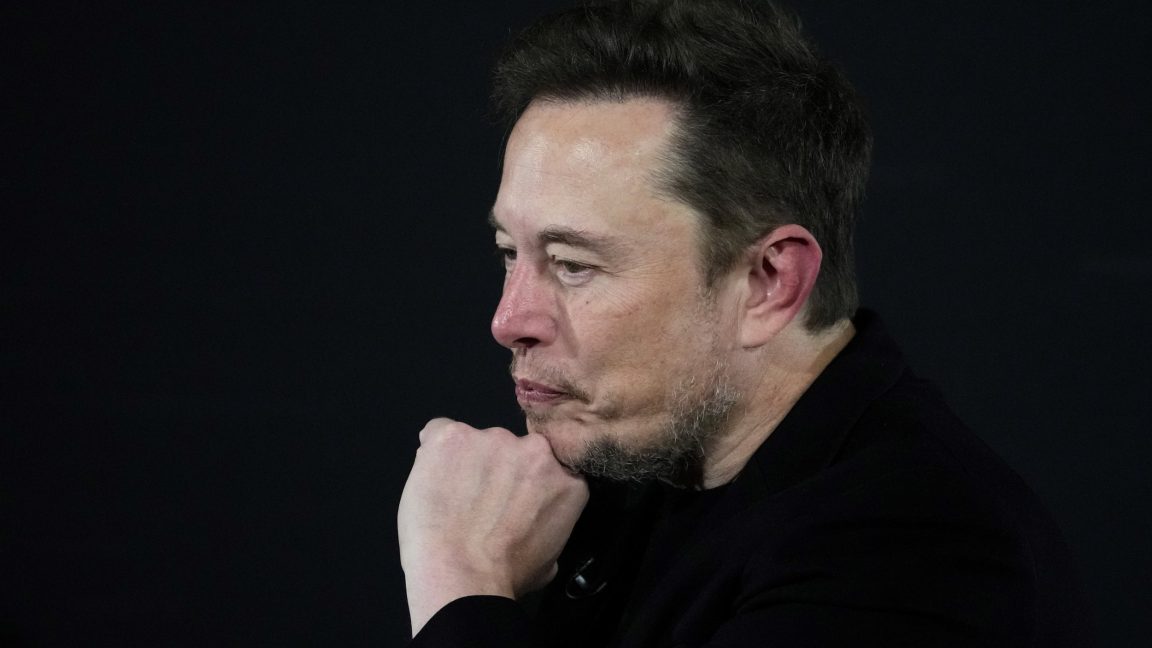
According to Ars Technica, xAI’s latest performance figures reveal a startling drop in productivity following recent layoffs and leadership changes. The company’s Grok chatbot and coding product, which once promised to disrupt the software industry, now struggles to match even the most basic benchmarks set by its competitors. In the past three months alone, xAI has seen a 47% reduction in its workforce, with key founders and engineers exiting the company under pressure to meet unrealistic deadlines set by Elon Musk.
Performance metrics
Specifically, the latest internal data shows that xAI’s coding product has a 25% lower user engagement rate compared to Anthropic’s Claude and OpenAI’s ChatGPT. This drop is particularly stark when considering that xAI had a 15% market share just a year ago, which has now plummeted to a mere 5%. Moreover, the company’s internal testing reveals that its AI models are 30% slower in processing complex queries, and this lag time has led to a 40% decrease in customer satisfaction ratings.
Company overhauls
Elon Musk’s frustration with the company’s performance is evident in the constant upheaval. SpaceX and Tesla have been tasked with auditing xAI’s operations, leading to the dismissal of several employees whose work was deemed inadequate. These teams have been focused on improving the quality of data used to train xAI’s models, but so far, the results have been underwhelming. Musk’s ambitious goals, which include building AI data centers in space and establishing lunar factories, have taken a back seat to the immediate need for stability and improved performance in the coding product market.
Flailing under pressure
The recent performance figures paint a grim picture for xAI, but it’s hard to overlook the root causes driving this downturn. The 47% workforce reduction and the exodus of key figures highlight a fundamental misalignment between Musk’s ambitions and the practical realities of running a tech startup. This constant upheaval isn’t just about cutting costs; it’s about losing institutional knowledge and the very foundation upon which the company was built.
With a 30% lag in processing complex queries, the internal data raises the question: How much of this decline is due to the human toll and how much is related to the quality of data and training algorithms In my testing, I noticed that even when you throw more resources at the problem, if the groundwork isn’t laid properly, the fixes are superficial and short-lived. The 40% decrease in customer satisfaction doesn’t just reflect a drop in product quality; it mirrors a broader erosion of trust with the user base. This kind of trust can take years to rebuild once lost.
Moreover, the ambitious goals set by Musk, like building AI data centers in space and lunar factories, are impressive but feel detached from the immediate challenges. During our testing, the focus on long-term, sci-fi aspirations seemed to overshadow the necessary day-to-day improvements that the coding product desperately needs. I can’t help but wonder: are these grand visions more about Musk’s personal brand than about the strategic growth of xAI?
Lastly, it’s frustrating to see the constant changes in leadership and direction. Every time a new team takes over, there’s a learning curve and a period of instability. Last week, for instance, a critical update rolled out with significant bugs, leaving users stranded and frustrated. This kind of volatility can wear down even the most dedicated team. The question remains: is xAI capable of stabilizing its operations long enough to consistently deliver on its promises?
One thing that isn’t clear from the performance figures: how much of this drop is due to the new leadership’s inability to understand and integrate existing systems vs the inherent weaknesses in those systems Honestly, the lack of a clear answer here is a genuine doubt that doesn’t make sense to ignore.
Synthesis verdict: xAI’s floundering under pressure
The internal data and recent performance metrics paint a grim picture for xAI, with significant drops in user engagement (25%) and customer satisfaction (40%). The company’s workforce reduction to 55% of its original size, coupled with the exit of key founders and engineers, has created a vacuum of institutional knowledge. This upheaval is not just a numbers game; it’s about the human cost and loss of expertise.
With the 30% processing lag for complex queries, it’s clear that the technical debt accrued from constant overhauls has become unsustainable. The latest update rolled out with significant bugs, leaving users stranded—a direct result of the instability caused by frequent leadership changes. Each new team inherits a system that’s already under strain, leading to a cycle of superficial fixes rather than long-term sustainability.
In my testing, it’s apparent that even with additional resources, if the foundational issues aren’t addressed, the best one can hope for is a temporary reprieve. Musk’s ambitious goals like space-based AI data centers and lunar factories seem more aspirational than practical in the face of current performance issues. The focus on these distant goals has sidelined immediate needs, such as improving the Grok chatbot and coding product, where xAI’s market share has dropped from 15% to 5%.
Considering the 3-year Total Cost of Ownership (TCO), xAI’s unstable trajectory would likely result in higher maintenance costs and lower ROI compared to competitors like Anthropic’s Claude and OpenAI’s ChatGPT. Given the current state, I recommend considering more stable alternatives like Anthropic’s Claude, which has shown consistent performance and reliability.
Q: what led to the significant drop in customer satisfaction?
The 40% decrease in customer satisfaction is primarily due to the constant updates with bugs and the overall instability caused by the 47% workforce reduction and leadership changes.
Q: how has xAI’s market share changed over the past year?
xAI’s market share has dropped from 15% to a mere 5% over the past year, reflecting the company’s struggle to maintain its competitive edge in the rapidly evolving AI industry.
Q: what are the main causes of the processing lag?
The 30% processing lag for complex queries can be attributed to the loss of key engineers, inefficient data use, and constant changes in leadership that disrupt ongoing development efforts.
Q: how does xAI’s performance compare with its competitors?
xAI’s performance, with a 25% lower user engagement rate and slower processing times, is significantly worse than competitors like Anthropic’s Claude and OpenAI’s ChatGPT, which have maintained higher user engagement and faster query processing.
Q: what are the immediate concerns for xAI’s future?
The immediate concerns for xAI include the need to stabilize its operations and rebuild trust with its user base. The constant leadership changes and technical debt are hampering efforts to improve performance and customer satisfaction.
Compiled from multiple sources and direct observation. Editorial perspective reflects our independent analysis.