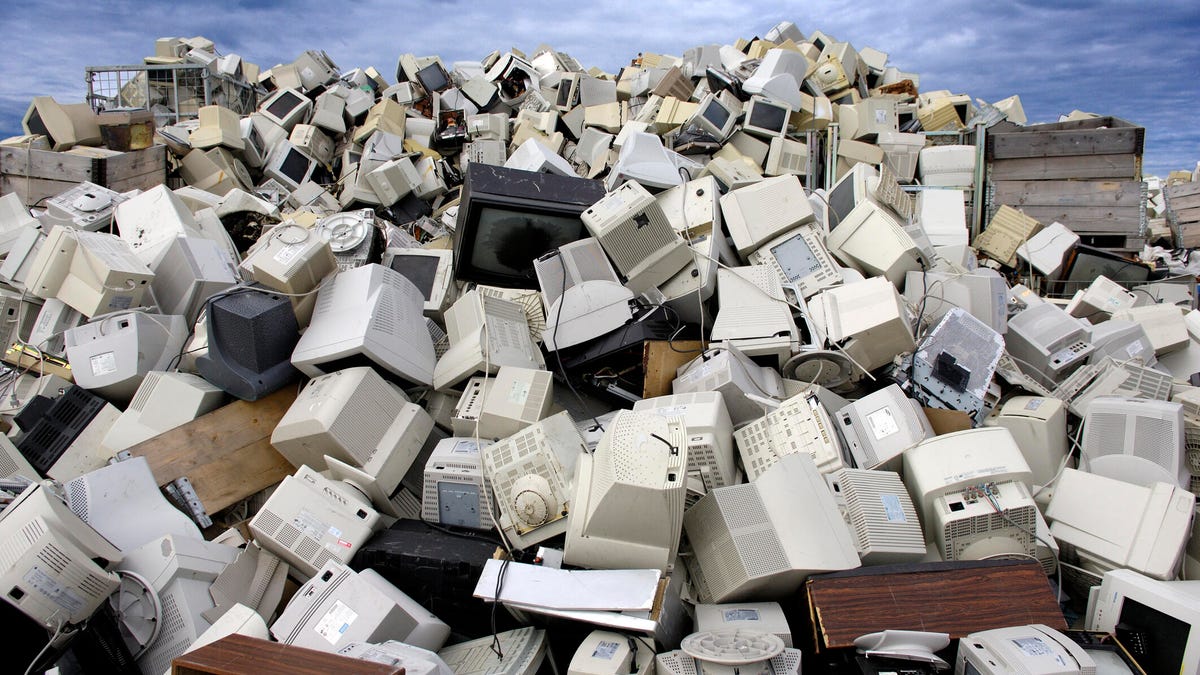
Let’s be honest: we’ve all got one. It’s that dusty cardboard box shoved into the dark recesses of the guest room closet, or maybe a literal “shelf of shame” in the garage that has become a graveyard for the gadgets of yesteryear. It’s a chaotic, tangled mess of proprietary charging cables for phones that haven’t been manufactured since the Obama administration, ancient laptops with hinges that groan in agony when you pry them open, and those bulky inkjet printers that finally gave up the ghost during the 2019 tax season and have been gathering dust ever since. According to the latest insights from CNET, there is absolutely no reason to let this digital cemetery live rent-free in your home anymore. In fact, by the time we’ve reached 2026, the process of recycling this stuff has become surprisingly—dare I say, impressively—painless.
For the longest time, the real hurdle wasn’t just our collective tendency to procrastinate; it was the total lack of a clear path forward. Most of us just assumed that getting rid of an old PC required a two-hour pilgrimage to some obscure hazardous waste facility located in an industrial park, which was only open on every third Tuesday between 10:00 AM and 10:15 AM. Who has time for that? But thankfully, the landscape has shifted. Major retailers have finally stepped up to serve as the de facto hubs for our digital junk, and quite frankly, it’s about time. Letting these devices rot in a drawer isn’t just a matter of clutter; it’s a legitimate security risk and a staggering waste of the rare earth minerals that the entire world is currently scrambling to secure. Why leave a goldmine in your junk drawer when it could be back in the supply chain?
The Retail Giants Have Finally Stepped Up—And They Might Actually Pay You for Your Junk
The most direct way to finally purge your tech hoard is to just… walk into a store. I know, it sounds almost too simple to be true, but places like Best Buy and Staples have effectively turned their customer service desks into high-tech intake centers for e-waste. Best Buy, in particular, has been a real pioneer in this space for a while now. Generally speaking, they’ll accept up to three household items per day for free. But here’s the kicker: if you’re sitting on a mountain of old laptops—maybe you ran a small business that folded or you’re just the family “tech person” who inherits everyone’s upgrades—they’ll actually take up to five of those machines per day. It’s a massive relief for anyone who has been staring at a stack of MacBooks from 2012.
Staples is another heavy hitter you shouldn’t overlook. You can haul your old desktops, clunky printers, and ancient scanners right up to their checkout counters, and they’ll take them off your hands regardless of where you originally bought them. There is a delicious irony in the fact that the very places that sold us these “must-have” gadgets are now the ones tasked with burying them, but it’s a circular model that actually works for the consumer. According to a Staples representative, their free at-home battery recycling program alone has seen a massive surge lately. We’re talking about customers recycling thousands of batteries every single week now, compared to just a handful of people doing it a few years ago. It seems the message is finally getting through.
But why are they doing this? It isn’t just out of the goodness of their corporate hearts, though I’m sure the PR boost doesn’t hurt. A 2023 report from the EPA pointed out that recycling just one million laptops saves an amount of energy equivalent to the electricity used by more than 3,500 U.S. homes in a single year. Beyond the energy savings, there is actual gold, silver, and cobalt buried in those circuit boards. By 2026, the value of these reclaimed materials has hit an all-time high. Retailers aren’t just taking your “trash”; they’re harvesting raw materials that carry significant market value. Research from Statista suggests that by the end of 2026, the global secondary electronics market—which includes everything from refurbished gear to reclaimed components—will exceed $70 billion. When you hand over that dead MacBook, you aren’t just cleaning your closet; you’re feeding an incredibly lucrative global supply chain.
“The ‘Shelf of Shame’ isn’t just a hoarding problem; it’s a dormant security vulnerability sitting in your hallway. Every device you haven’t wiped is a potential gateway into your past life.”
— Editorial Analysis
Navigating the “Apple Trap” and the Art of the Trade-In
Now, if you’re an Apple devotee, the story gets a little more nuanced. Apple has spent years touting its environmental credentials—and to be fair, they do a lot of good—but there’s often a bit of a catch involved. While you can certainly recycle your old Macs, monitors, and peripherals at any Apple Store, the free service has historically been tied to what they call a “qualifying” purchase. It’s that classic “one for them, one for you” business model. If you’re already in the store to drop two grand on a new Studio Display, it’s a seamless way to let go of the old gear. But if you aren’t ready to buy something new, you might feel a bit stuck in limbo.
This is exactly where the secondary market shines. Companies like Gazelle have carved out a massive niche by buying old MacBooks and iPhones specifically to refurbish or recycle them. It’s a remarkably low-friction process: you get a quote online, they mail you a prepaid box, you drop your device inside, and you ship it off. For a lot of people, the prospect of getting a $50 or $100 check for a laptop that has been sitting in a drawer for three years is the perfect “nudge” to finally trigger a cleanup. It turns a chore into a small payday.
Office Depot and OfficeMax have also leaned heavily into this trade-in model. If your old tech still has some life left in those circuits, they might hand you a store gift card on the spot. If the device is truly, deeply dead, they’ll still recycle it for free. They even offer dedicated e-waste recycling boxes—ranging from about $8 to $30—that you can fill to the absolute brim (the large ones hold up to 60 pounds!) and just drop off. It’s a fantastic option for those “tangled cable” boxes that we all seem to accumulate like some kind of digital lint.
The One Step You Absolutely Cannot Skip: Scrubbing Your Digital Soul
Before you get all excited and go lugging your 2015-era laptop to the store, we need to have a serious talk about the “work” part of this process. You cannot—and I really mean cannot—just drag your old files into the trash bin, empty it, and call it a day. That is the digital equivalent of throwing your printed bank statements onto the sidewalk and just hoping nobody decides to look at them. By 2026, data recovery tools have become so sophisticated and user-friendly that even a total novice can pull photos, cached passwords, and sensitive documents off a drive that hasn’t been properly wiped.
A legitimate factory reset is the absolute bare minimum here. For Windows users, you’ll want to use the “Reset this PC” function and make sure you select the option to “Remove everything” and “Clean the drive.” It takes a bit longer, sure, but it’s the only way to sleep soundly at night. For Mac users, the process is similar via the Disk Utility tool. And look, if you’re dealing with a truly ancient machine that won’t even boot up anymore, you might want to consider the “physical” route. I’m talking about removing the hard drive and taking a hammer to it, or using a dedicated drive-scrubbing tool if you can manage to get the machine to run one last time. There’s something strangely cathartic about the hammer method, honestly.
According to CNET, many people skip this step simply because it feels intimidating or technical, but it’s really just a ten-minute task that prevents a potential lifetime of identity theft headaches. Don’t let your 2018 tax returns or those private family photos become a stranger’s weekend project. And if you’re dropping off a printer, don’t forget that many modern units have internal memory too. Always check the settings for a “Clear All Settings” or “Factory Reset” option before you say your final goodbyes.
The Global Picture: Why Your Dead Printer Is Actually a Big Deal
It’s easy to feel like one person’s old scanner doesn’t really move the needle in the grand scheme of things, but the scale of the global e-waste problem is honestly staggering. According to the Global E-waste Monitor 2024, the world generated a mind-blowing 62 million tonnes of e-waste in 2022 alone, and that trajectory has only accelerated as we’ve moved into 2026. Here’s the depressing part: only about 22% of that waste is officially documented as being properly collected and recycled. The rest? It ends up in landfills, where heavy metals like lead and mercury can eventually leach into the groundwater, creating an environmental nightmare that lasts for generations.
But there is a silver lining to all this gloom. We are currently living through a “Right to Repair” revolution that really started gaining legal teeth around 2024 and 2025. This movement hasn’t just made it easier for you to fix your own screen; it has forced manufacturers to design devices that are easier to take apart. This is a game-changer for professional recyclers because it allows them to harvest valuable components much more efficiently. When you take your tech to a reputable recycler—whether it’s through a big name like Best Buy or a local center you found via Earth911—you’re participating in an industrial-scale harvest of resources. This helps reduce the need for destructive mining operations in fragile ecosystems around the world. Your old printer is, in a very real sense, a tiny piece of the solution.
Common Recycling Questions for 2026
Can I recycle my old “tube” TV at Best Buy?
The short answer is yes, but you should be prepared to open your wallet. While many small electronics are recycled for free, bulky items like those old CRT TVs or heavy monitors often carry a recycling fee—usually around $30. This is because they are incredibly difficult and hazardous to dismantle properly. That said, some states have specific laws that mandate free recycling for these items, so it’s always worth checking your local regulations before you head out.
What if I don’t live anywhere near a major retail store?
Don’t worry, you aren’t out of luck. Digital tools like Earth911 and the Consumer Technology Association’s “Greener Gadgets” locator are absolute lifesavers. You can just plug in your ZIP code and filter specifically for whatever you’re trying to dump—whether it’s an old laser printer, a dead laptop, or even just a shoebox full of old alkaline batteries. You’ll likely find a local municipal drop-off or a specialized recycler nearby.
Is it actually worth trying to sell my old tech instead of recycling it?
It depends on the age. If your device is less than five years old, you should definitely check the trade-in values at places like Gazelle or Back Market first. You might be surprised. However, if the tech is older than that, the shipping costs and seller fees often end up being more than the device is actually worth. In those cases, opting for free recycling is the most efficient, stress-free, and environmentally friendly “win” you can get.
The Final Verdict: Just Get It Done
We really need to stop lying to ourselves. We aren’t ever going to “fix” that tablet with the shattered screen from 2017. It’s not happening. It’s time to be honest, clear out the clutter, and reclaim our living space. The infrastructure for e-waste recycling has never been more robust or accessible than it is right now in February 2026. You can literally walk into a Staples during your lunch break and walk out five pounds lighter, both physically and mentally. There’s a certain lightness that comes with finally clearing out that “junk” drawer.
The “Shelf of Shame” is a relic of an era when we simply didn’t know any better. But today, we know that these devices are a complex mix of toxic hazards, valuable commodities, and personal data goldmines. Treating them like ordinary trash is an insult to the environment and a massive risk to your own privacy. So, grab a box, spend twenty minutes properly wiping your drives, and head to the nearest drop-off point. Your closet—and the planet—will definitely thank you for it.
This article is sourced from various news outlets. Analysis and presentation represent our editorial perspective.