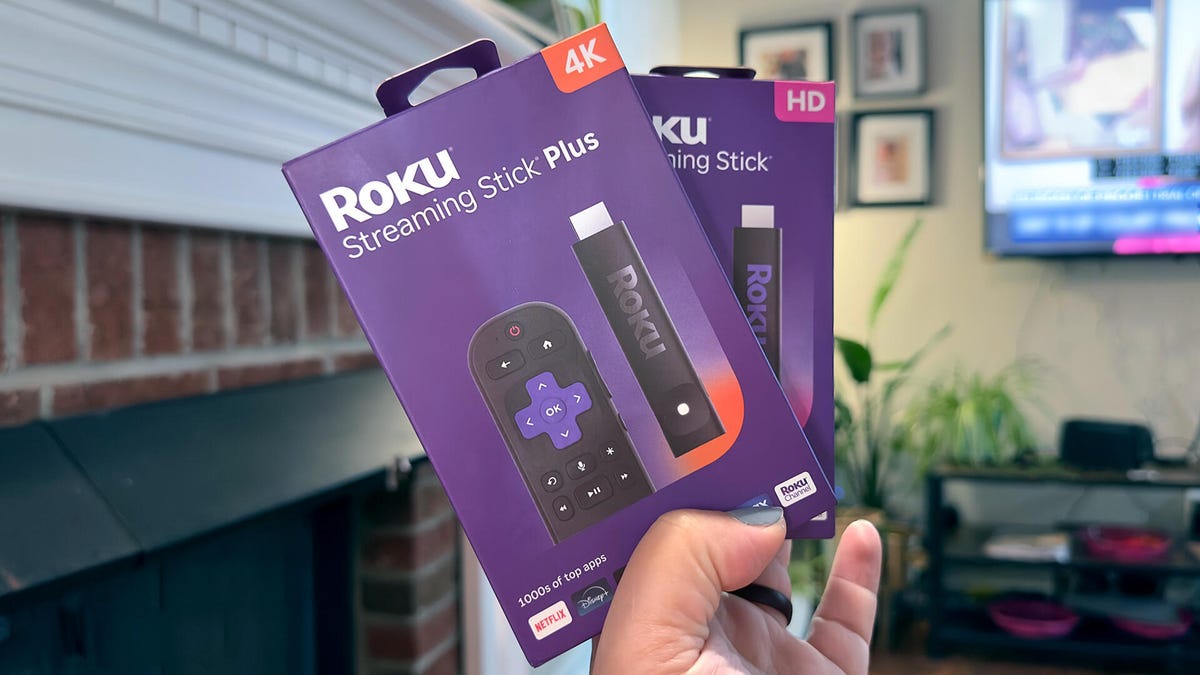
Thinking about tossing your old television because it’s started acting a bit sluggish? Honestly, hold that thought for just a second. The latest buzz around the 2026 Roku Streaming Stick and its “Plus” sibling is proving that you don’t actually need to drop hundreds of dollars on a brand-new screen to get a top-tier experience. This is a big deal because it highlights a growing trend in tech—software is finally outlasting hardware. Sometimes, a simple thirty-dollar upgrade is all you really need to make an old device feel like it just came out of the box.
The Full Story
So, here are the facts. Roku recently gave its lineup a facelift with the standard Streaming Stick and the 4K-capable Streaming Stick Plus. These devices are hitting the shelves at really aggressive price points—roughly thirty and forty dollars. But the real story isn’t just the price tag; it’s the sheer power they’ve crammed into these tiny little dongles. If you’ve been fighting with a “smart” TV that takes five minutes just to open Netflix, these sticks are a total game-changer. Sound familiar?
One of the coolest things about these new models is the physical design. They’re thinner than ever. If you’ve ever struggled to plug something into the back of a wall-mounted TV, you know the struggle is real. These new sticks are barely thicker than the HDMI plug itself, meaning they won’t block the other ports next to them. Plus, the power port has been moved to the very end of the stick to help keep those messy cables tucked away. It’s a small detail, but it shows the designers are actually listening to our frustrations.
Now, get this: the performance is where you really notice the difference. Testing shows that even on an older 1080p HD TV, the navigation is incredibly snappy. Apps load almost instantly, and scrolling is smooth without those annoying stutters we’ve all grown to hate. The included remote is the classic, simple version. While it doesn’t have the fancy “find my remote” chirping or the backlit buttons found on the high-end Voice Remote Pro 2, it keeps the cost down while maintaining that famous ease of use. Honestly, these sticks can actually deliver a better visual experience than the built-in software on many mid-range TVs from just a few years ago.
Why This Matters
Here’s the thing: we’re currently living in an era of “disposable software” inside “permanent hardware.” When you buy a smart TV, you’re essentially buying a big, beautiful glass panel glued to a very cheap computer. After three or four years, that cheap internal processor just can’t keep up with the latest app updates. But the glass panel—the part you actually watch—is usually still perfectly fine! It leads to a massive amount of electronic waste because people think they need a new TV when they really just need a new “brain” for it.
I really think this matters because it shifts the power back to us. By opting for a forty-dollar Streaming Stick Plus instead of a five-hundred-dollar new TV, you’re making a much more sustainable (and financially savvy) choice. It’s like giving your car a brand-new engine for the price of a tank of gas. On the flip side, this puts pressure on TV manufacturers. If we realize we can just “plug in” a better experience, those built-in features become less of a selling point. Maybe this will finally force brands to focus on screen quality rather than trying to lock us into their mediocre software ecosystems.
And let’s be real—the simplicity of the Roku interface is a massive win. While platforms like Fire TV or Google TV are getting cluttered with ads and “recommended content” that looks like a digital billboard, Roku has mostly stuck to its grid of icons. It’s the “Goldilocks” choice for families. You can put it in a guest room or give it to a grandparent, and they won’t feel intimidated. In a world where tech feels like it’s getting more complicated for no reason, Roku’s commitment to being “boringly simple” is actually its greatest strength.
The Smart TV Trap
We’ve all been there. You see a killer deal on a 4K TV at a big-box store and you bring it home. For the first year, it’s great. But then, the updates start. The YouTube app takes longer to open. The remote starts lagging. This is what I call the “Smart TV Trap.” Manufacturers often use underpowered processors to keep the TV’s price low, knowing that the software will eventually become a bottleneck. By 2026, many TVs bought back in 2021 are likely starting to show their age.
Using a dedicated streaming stick solves this because these devices have one job: running apps. They don’t have to worry about managing the TV’s backlight, input switching, or internal speakers the way the main TV processor does. Since they’re so cheap, you can afford to replace them every few years to keep your tech current, while keeping your actual TV screen for a decade or more. It’s a modular approach to home entertainment that just makes sense for your wallet.
Looking Ahead
What does the future hold? I predict we’re going to see a “great thinning” of the streaming market. Right now, there are dozens of options, but as Roku and others push prices down to the thirty-dollar mark, it becomes really hard for smaller players to compete. We’ll likely see Roku lean even harder into their free, ad-supported content (The Roku Channel) to subsidize the cost of these sticks. Don’t be surprised if, in a few years, the hardware is almost free as long as you agree to see a few extra ads on your home screen.
Meanwhile, keep an eye on how these sticks handle cloud gaming. As internet speeds improve, the need for a bulky gaming console might disappear for casual players. If Roku can integrate solid gaming support into a forty-dollar stick, it could disrupt the industry even further. However, they’ll need to be careful. If they add too much bloat, they risk losing the “simplicity” crown. I expect them to stay the course, focusing on being the most reliable “plug-and-play” option for the average household.
FAQ
Is the Roku Streaming Stick Plus worth the extra $10?
In my opinion? Absolutely. Especially if you have a 4K TV or plan on getting one soon. The Plus model offers better Wi-Fi range and supports 4K HDR—which makes a huge difference in picture quality for a very small price increase.
Can I use these new sticks on a very old TV without HDMI?
Unfortunately, no. These sticks require an HDMI port to work. If your TV is so old that it only has those red, white, and yellow RCA ports, you’d need a separate converter, and honestly, those usually make the picture look pretty bad.
Do I have to pay a monthly fee to use Roku?
Nope! There is no monthly subscription fee just to use the Roku platform itself. You only pay for the individual services you want, like Netflix or Disney+, though there’s a ton of free content available out of the box.
Will my old Roku remote work with the 2026 models?
In most cases, yes. Roku remotes are generally cross-compatible, especially the “point-anywhere” wireless versions. But since the new sticks come with a remote in the box, you probably won’t even need to swap them.