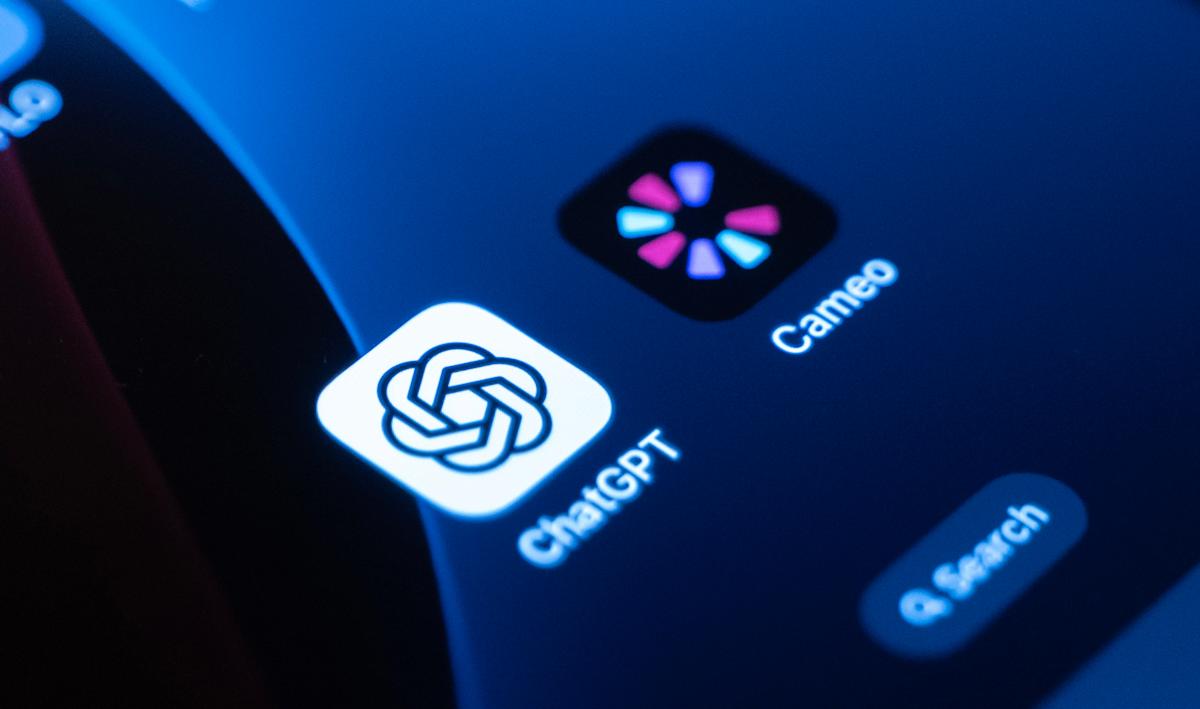
p>Remember that brief window of time, not too long ago, when it felt like the massive AI labs could essentially manifest reality through sheer compute power? We all watched, mesmerized, as Sora—OpenAI’s text-to-video breakthrough—first hit the scene. It fundamentally shattered our collective sense of what was actually possible with a high-end GPU and a dream. But as the dust starts to settle here in early 2026, the real friction isn’t coming from the technology anymore. Instead, it’s coming from the very human world of courtroom dramas, trademark filings, and the stubborn refusal of established brands to simply be “disrupted” out of existence. According to Engadget—the web magazine that’s been obsessively tracking every gadget and consumer electronic trend for years—the latest major blow to Sam Altman’s video ambitions didn’t come from a faster rival model. It came from a federal courtroom in California.
The news that OpenAI has been officially barred from using the name “Cameo” within its Sora app is one of those stories that feels like a minor footnote until you zoom out. When you look at the bigger picture, you realize it’s a symptom of a much larger fever currently gripping the industry. For those of you who might have missed the initial skirmish, OpenAI launched a feature last year—also called “Cameo”—that allowed users to inject specific likenesses into their AI-generated videos. It was a bold move, and honestly, maybe a little too bold for its own good. Cameo, the platform we all know for those awkward-yet-charming celebrity birthday shoutouts, didn’t exactly take kindly to a tech giant squatting on its brand name. This past Saturday, U.S. District Judge Eumi Lee turned a temporary restraining order into a full-blown preliminary injunction. In plain English? OpenAI has to stop using the name, and they have to stop right now.
When the “Move Fast and Break Things” Mentality Hits a Very Expensive Legal Wall
It’s honestly a bit surreal to see a company worth hundreds of billions of dollars get tripped up by something as fundamental as a trademark dispute. You’d think with the sheer mountain of legal talent at OpenAI’s disposal, someone would have raised their hand during a product meeting and said, “Hey, maybe we shouldn’t name our celebrity-likeness feature after the world’s most famous celebrity-likeness app?” But that’s the thing about the AI gold rush—it fosters a very specific kind of tunnel vision. When you’re busy teaching machines to understand the complex physics of a splashing wave or the way light hits a moving car, you might forget that “Cameo” isn’t just a common noun in the dictionary; it’s a fiercely protected brand.
OpenAI’s defense, according to reports from Reuters, was basically the classic Silicon Valley shrug: the argument that nobody can “own” the word cameo. It’s a predictable move. You take a word that exists in the English lexicon and claim it’s far too generic to be protected, even when you’re using it to perform the exact service the trademark holder is famous for. Judge Lee wasn’t buying it for a second. She ruled that Cameo’s lawsuit was likely to succeed because, well, the confusion here is pretty obvious. If I go into an app specifically to make a “cameo” video, and there’s already a multi-million dollar business built on that exact premise, the average person is going to be confused. And in the world of trademark law, confusion is the cardinal sin you just don’t commit.
This isn’t just about a name, though. It’s about the culture of entitlement that has defined the generative AI era so far. A 2024 Pew Research Center report found that about 52% of Americans feel more concerned than excited about the increased use of artificial intelligence. A huge part of that concern stems from this perceived “Wild West” attitude. When companies act like the rules of the old world simply don’t apply to them because their code is “transformative,” they shouldn’t be surprised when the old world fights back with a gavel. It’s a reality check that was probably long overdue.
“We disagree with the complaint’s assertion that anyone can claim exclusive ownership over the word ‘cameo,’ and we look forward to continuing to make our case.”
OpenAI Spokesperson, via Reuters
Why a Brand Name Is Worth More Than the Code Behind It
Let’s talk about why Cameo (the platform) was so incredibly spooked by this. It wasn’t just about the name; it was the entire functionality of what OpenAI was building. The Sora feature allowed users to add any likeness to their videos. Think about that for a second. Cameo’s entire business model relies on celebrities consenting to provide their image and voice in exchange for a fee. If Sora allows a user to generate a hyper-realistic video of a celebrity saying whatever they want, the “Cameo” name becomes a target for massive brand dilution. It’s not just a competing product; it’s a potential replacement that completely bypasses the consent and compensation of the actual people involved. Why pay a B-list actor $50 for a birthday message when you can generate one for free that looks even better?
I remember talking to a friend who works in digital marketing about this back when the suit was first filed in November 2025. She pointed out that for a brand like Cameo, their name is effectively their only real moat. They don’t own the celebrities; they own the connection and the trust. If OpenAI hijacks that word to describe an AI-generated deepfake, the value of a “real” Cameo drops to near zero in the eyes of the consumer. It’s an existential threat wrapped in a clever UI label. It’s the kind of thing that keeps CEOs up at night, and for good reason.
And let’s be real, OpenAI isn’t exactly hurting for alternative names. They have some of the brightest minds in the world working for them. They could have called it “Persona,” “Likeness,” “Guest Star,” or literally anything else. The fact that they doubled down and continued using the term even after the initial lawsuit was filed speaks volumes about their internal culture. It’s that old-school tech arrogance—the idea that if you’re moving fast enough and your tech is cool enough, the law will eventually just catch up to you and offer a handshake instead of a fine. This time, they got the fine (and the injunction).
The Likeness Loophole and the Messy Ethics of AI Generation
This ruling is just one piece of a much larger, much messier mosaic of legal battles that are currently defining the industry. We’ve already seen authors like Sarah Silverman and major news outlets like the New York Times taking AI companies to task over training data. But this Sora/Cameo spat feels different because it’s about the output and the identity. According to data from a 2025 legal industry report, over 100 high-profile IP cases were filed against AI firms in the span of just eighteen months. We are currently living through what is arguably the most litigious period in the entire history of software development. It’s a gold rush, but the lawyers are the ones selling the most shovels.
The “likeness” feature in Sora is particularly thorny. While the trademark ruling specifically targets the name, it highlights the underlying tension of AI-generated people. If the court is willing to protect a brand name like Cameo, how much longer until they start providing robust, federal-level protections for an individual’s digital twin? We’ve already seen some states like Tennessee move in this direction with the ELVIS Act, but the Sora case feels like a precursor to a much bigger showdown over the “Right of Publicity.” It’s a question of who owns “you” when a machine can replicate “you” perfectly.
I’ve had the chance to play around with Sora’s various iterations over the last year, and I have to say, the realism is honestly terrifying. It’s beautiful, sure, but it’s also a tool that can be used to manufacture reality on an industrial scale. When you label a feature that manufactures reality with a brand name associated with “personalized celebrity messages,” you’re inviting the kind of scrutiny that OpenAI clearly wasn’t ready for—or perhaps they just didn’t care. They’re finding out the hard way that the “forgiveness over permission” strategy has a very high price tag when you’re dealing with established trademarks and the people who spent decades building them.
The Courts Are Finally Reining in the AI Wild West
Judge Eumi Lee’s decision to grant a preliminary injunction is a significant signal to the entire industry. It tells us that the “honeymoon phase”—where AI companies were treated as delicate innovators who shouldn’t be burdened by “legacy” laws—is officially over. The courts are starting to treat OpenAI like the massive media conglomerate it has effectively become. Think about it: if Disney tried to launch a streaming feature called “Netflix” inside Disney+, they’d be laughed out of court and sued into oblivion. Why should OpenAI be any different just because they use neural networks? Innovation doesn’t give you a free pass to ignore the foundations of business law.
There’s also the matter of the “string of intellectual property cases” mentioned in the original reports. From music publishers to movie studios, everyone is finally realizing that if they don’t draw a line in the sand now, there won’t be any sand left to defend. The AI industry has thrived on the “fair use” defense for years, but trademark law is a completely different beast. It’s not about how you trained the model or what data you scraped; it’s about how you’re selling it to the public. And quite frankly, you can’t sell it using someone else’s trademarked identity without expecting a fight.
What does this mean for people actually using Sora right now?
If you’re currently using the Sora app, you’ll likely see a forced update pretty soon where the “Cameo” feature is renamed. The actual functionality—the ability to add likenesses—might remain for now, but the branding will be scrubbed to comply with the court order. It’s a cosmetic change for the user, but a massive legal pivot for the company.
Is OpenAI likely to win the full lawsuit eventually?
While this was just a preliminary injunction, the judge noted that Cameo’s lawsuit was “likely to succeed” on its merits. That’s a very strong hint from the bench. Unless OpenAI reaches a settlement or makes a significant pivot in their legal strategy, they appear to be on the losing side of this particular trademark battle.
Could this ruling affect other AI tools like Midjourney or Perplexity?
Absolutely. This sets a major precedent that AI companies cannot use established brand names for their internal features, even if they try to argue the terms are “descriptive.” It’s going to force a much higher level of branding due diligence across the entire industry. No more “borrowing” names to explain what a tool does.
What This Means for the Future of Video Tools
Looking ahead, I suspect we’re going to see a lot more “boring” branding from AI companies. Expect a lot of generic, safe names like “Video Gen 2” or “Human Synthesis Tool.” The days of cheeky, provocative naming conventions that intentionally blur the lines between AI and established services are likely coming to an end. It’s a sign of the industry maturing, even if it’s happening while the companies are kicking and screaming. We are moving from the “cool demo” phase to the “regulated utility” phase of AI development.
But there’s a silver lining here, if you look closely. This legal friction forces these companies to actually innovate on the business side, not just the technical side. Maybe instead of trying to steal the “Cameo” vibe, OpenAI will actually have to build a legitimate, opt-in marketplace for likenesses. Imagine a world where a celebrity can license their AI twin to you via Sora, and everyone gets a fair cut. That’s a much more sustainable and ethical future than the one where a tech company just takes what it wants and waits for the inevitable lawsuit. It forces a conversation about value and consent that we really need to have.
At the end of the day, OpenAI is still the leader of the pack, but this ruling is a humbling reminder that they aren’t the only ones on the field. The “Cameo” name belongs to the people who built it, and in a world where AI can replicate almost anything, the things it can’t replicate—like a legal trademark and a decade of brand building—become more valuable than ever. It turns out that human-made brands have a staying power that code alone can’t replace.
It’s a win for the little guy, or at least the “slightly smaller but still very established” guy. And honestly? In the age of AI, where everything feels a bit automated and impersonal, we’ll take any human win we can get. It’s nice to know that some things still mean something in a court of law.
This article is sourced from various news outlets. Analysis and presentation represent our editorial perspective on the intersection of technology and law.