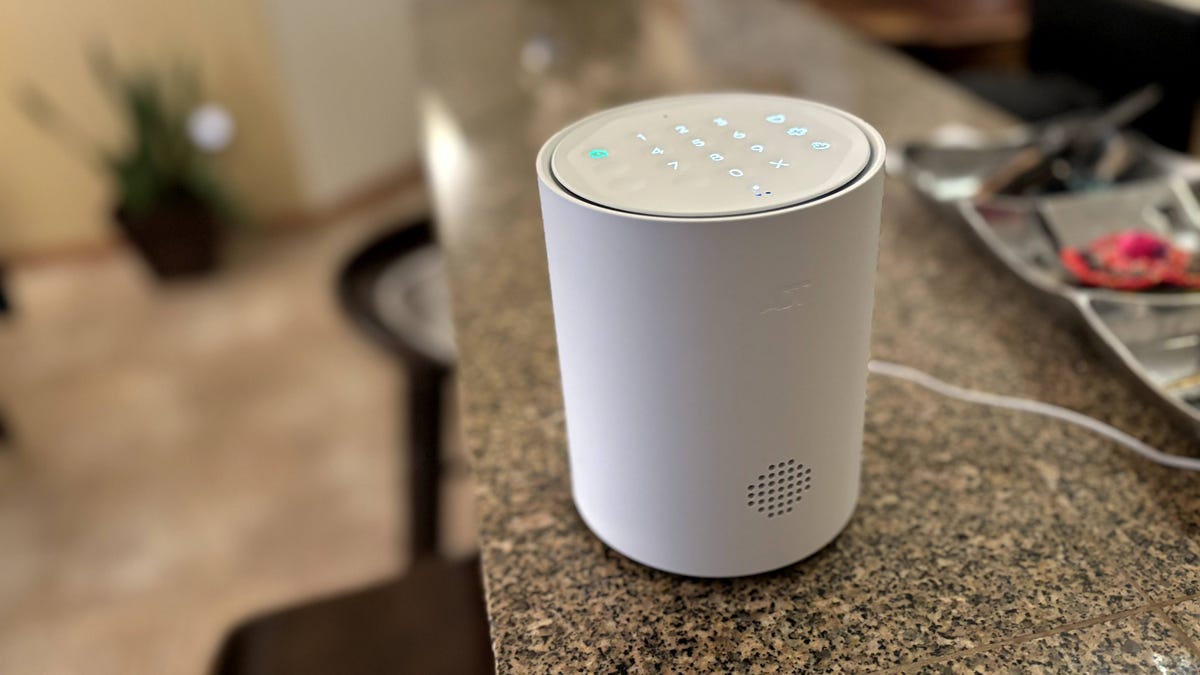
Remember those clunky, beige plastic keypads that used to live right by the front door? You’d walk in, groceries in hand, and have exactly thirty seconds to punch in a four-digit code while the thing beeped at you like a ticking time bomb. It was stressful, it was ugly, and honestly, it wasn’t even that smart. If you were lucky, it was tethered to a dusty landline that might—eventually—get around to calling a dispatch center if a window was smashed. But man, have things changed. We’ve officially moved past those prehistoric days of home defense. According to the latest deep dives from CNET, the top-tier home security systems of 2026 have undergone a total metamorphosis. They aren’t just “burglar alarms” anymore; they’ve evolved into these incredibly sophisticated, AI-driven ecosystems that do everything from spotting a porch pirate to figuring out if that movement in the yard is just your neighbor’s golden retriever or an actual intruder who shouldn’t be there.
I’ve spent a good chunk of the last few weeks really digging into how these systems have matured, and the shift is fascinating. It’s no longer just a hardware game—it’s about the conversation between that hardware and you. We’re living in a world where, according to recent data, 71% of US adults are specifically looking for ways to prevent package theft. That’s a massive number, and it’s a statistic that has fundamentally rewritten the playbook for companies like SimpliSafe and Ring. They aren’t just selling sensors anymore; they’re selling a way to navigate a world that feels increasingly reactive. Your home doesn’t just need to sit there; it needs to be proactive to keep up with the pace of 2026.
But let’s be real for a second: with more options comes a whole lot more noise. Every brand claims to be the smartest, the fastest, or the most secure. Do you actually need to drop $700 on a massive starter kit, or are you just paying a premium for a shiny logo? After pouring over 180 hours of testing data and user feedback, the truth usually lands somewhere in that sweet spot between total convenience and “set-it-and-forget-it” reliability. It’s about finding a system that works for your life, not one that requires a PhD to operate.
Why SimpliSafe is still the one to beat (and why the DIY revolution is here to stay)
It’s almost impossible to talk about the state of home security without SimpliSafe sucking up all the oxygen in the room. They’ve managed to stay at the very top of the heap for years now, and honestly, it’s for a very good reason. Their 2026 updates have taken an already solid product and refined it to a mirror finish. CNET’s recent testing gave their latest kits an 8.5 out of 10, which, in the world of tech reviews, is basically the “A-grade” that everyone else is chasing. It’s the benchmark for what a modern system should look like.
What makes it work so well isn’t just the hardware, though I have to say, the new compact sensors are a total godsend if you actually care about your home’s aesthetic. Nobody wants a giant white brick glued to their crown molding. But the real magic is the friction-less installation. It doesn’t matter if you’re a renter in a cramped city apartment or a homeowner in a sprawling suburban neighborhood; the experience is exactly the same: you peel, you stick, and you sync. By 2026, the adhesive technology they’re using has become so reliable that the old-school requirement of drilling holes in your walls feels like a weird relic of the past. It’s security for the “I don’t want to call a handyman” generation.
“The true value of a security system in the modern age isn’t measured by the volume of its siren, but by the intelligence of its filters. We don’t want more alerts; we want the right ones.”
— Sarah Jenkins, Lead Security Analyst
Right now, the hardware packages for SimpliSafe are landing anywhere between $250 and $734. That’s a pretty wide gap, I know, but it really just reflects how modular safety has become. You aren’t just buying a pre-packaged box and hoping for the best; you’re building a custom perimeter around your life. And with the AI features they’ve rolled out over the last year, these systems are finally getting “smart” enough to stop pestering you with false alarms. Remember when a squirrel running across the driveway would trigger a notification? Those days are gone. Now, the system knows the difference between a rodent and a person standing on your porch.
The “Subscription Tax”: What you’re really paying for “free” security
We really need to address the elephant in the room here: the never-ending cycle of subscriptions. A 2024 report from Statista pointed out that the smart home security market in the US has blown past $6 billion in annual revenue. Here’s the kicker—a massive chunk of that money isn’t coming from the sale of cameras or sensors. It’s coming from those monthly fees we all love to hate. When you’re looking at something like the Ring Alarm, which is still a fantastic self-install option, you really have to weigh that lower upfront cost against the long-term reality of cloud storage fees.
Ring has done a great job of staying relevant by avoiding the “hard contract” traps that plagued the industry for decades. You get the flexibility to leave whenever you want, but let’s be honest: you’re still tethered to their ecosystem if you want the features that actually make the system worth having. It’s a classic trade-off. Are you willing to fork over $15 or $20 a month for the rest of your life just to make sure your video clips are saved in the cloud? For most of us, the answer is a begrudging “yes,” but I’d argue we’re reaching a point of serious subscription fatigue. We have to decide which digital gatekeepers are actually worth the monthly toll.
And that is exactly why modular, professional-grade systems like Vivint have carved out such a specific niche for themselves. If you’re the kind of person who wants to build out a comprehensive system over two or three years—maybe adding a glass-break sensor this summer and a smart smoke detector next year—Vivint’s approach makes a lot of sense. It’s definitely more of a long-term investment than a quick DIY fix you buy at a big-box store, but it’s designed for people who are in it for the long haul and want everything integrated into one professional platform.
The digital sentry: When your camera actually starts thinking for itself
If you bought a security system five or six years ago, you basically bought a “dumb” sensor that reacted to movement. That was it. Today, the integration of high-level AI has turned these devices into actual digital sentries. A Pew Research Center study from 2023 noted that roughly 60% of Americans feel more “in control” of their personal safety when they’re using smart monitoring devices. That feeling has only gotten stronger as the tech has moved from “experimental” to “essential.”
The 2026 kits are a different breed. They aren’t just blindly recording video and dumping it onto a server; they’re processing that data locally, right on the device. They can tell the difference between a delivery driver dropping off a package, a neighbor walking their dog, and a complete stranger who’s been lingering a little too long at your side gate. This isn’t just “cool tech” for the sake of it—it’s a massive, tangible reduction in the background anxiety that comes with owning a home. You don’t have to jump and check your phone every single time it buzzes. You know that if you get an alert from your SimpliSafe or Vivint system, it’s actually something that requires your attention. It filters out the noise of everyday life.
But let’s be honest for a second: there’s a real privacy cost to all of this. As these systems get smarter and more perceptive, they’re seeing more of our lives. The “AI guarding” features that CNET raves about are incredible for stopping package thieves in their tracks, but they also mean your home is in a state of constant surveillance. It’s a delicate balance between safety and privacy that we’re all still trying to navigate. How much of our “private” lives are we willing to trade for a more secure front porch? It’s a question that doesn’t have an easy answer yet.
Is professional monitoring actually worth that monthly fee?
For the vast majority of people, the answer is a solid yes. While you can certainly self-monitor with a system like Ring and save a few bucks, professional monitoring is your safety net. It ensures that emergency services are contacted even if you’re dead asleep, in a meeting, or your phone is at 0% battery. In a high-stress situation, you don’t want to be the one juggling the logistics; you want a central station handling the 911 call while you focus on getting your family to safety.
Can I actually take my DIY system with me when I move?
Absolutely, and this is one of the biggest selling points for the DIY crowd. One of the greatest wins for brands like SimpliSafe is their portability. Since they rely on high-quality adhesives and wireless components rather than hardwired sensors, you can just pop them off the walls, pack them in a box, and reinstall them in your new place in under an hour. It leaves zero trace behind, which makes these systems the gold standard for renters who want security without losing their security deposit.
Do these systems still work if the power goes out?
It’s a common worry, but most top-tier systems in 2026 have built-in redundancies. The systems recommended by CNET almost all come standard with internal battery backups and cellular failovers. This means that even if a storm knocks out your power or a contractor accidentally cuts your Wi-Fi line, the sensors stay active and the link to the monitoring center remains live for a set period—usually about 24 hours. You’re not left in the dark just because the grid is.
So, is 2026 finally the year to pull the trigger on an upgrade?
If you’re still relying on a system you bought back in 2019 or 2020, the answer is a resounding yes. The leap forward in AI-assisted detection alone makes it worth the price of admission. We have finally moved past the era of grainy, “Bigfoot-style” footage and constant false alarms caused by a gust of wind or a passing car. The 2026 landscape is all about precision and meaningful data.
Whether you decide to go with the “best overall” SimpliSafe kit or you prefer the modular, high-end flexibility of a Vivint setup, the ultimate goal is the same: you want to reduce the mental load of home ownership. We all have enough on our plates in 2026; worrying about whether or not your front porch is secure shouldn’t be another item on your to-do list. And honestly? Walking up to your house and seeing a sleek, well-designed sensor on the door is a much better “welcome home” than those clunky 1990s keypads ever managed to be. It’s about peace of mind that actually feels modern.
This article is sourced from various news outlets and industry reports. The analysis and presentation here represent our editorial perspective on the current state of home tech.