Let’s be honest with ourselves for a second: the annual smartphone upgrade cycle has started to feel a bit like a repetitive, high-definition fever dream. We wake up, we scroll through a dozen leaked renders, we watch a glossy, over-produced keynote, and then we check our bank accounts with a familiar mixture of hope and genuine dread. But every once in a while, a piece of news breaks through the constant digital noise that actually makes you pause and think, “Wait, this might actually be a smart move.” According to recent insights from Telset, we’re looking at exactly that kind of scenario with the upcoming Xiaomi 17 series—and it’s a breath of fresh air in an industry that usually feels suffocated by its own momentum.
Why We’re All Tired of the Annual Hype Cycle—And Why Xiaomi Is Finally Listening
For the longest time, the tech world has been conditioned—Pavlovian style—to expect a massive flurry of activity in February. It’s the classic MWC (Mobile World Congress) rhythm. Everybody rushes to Barcelona, drinks way too much overpriced espresso, and tries to shout just a little bit louder than their competitors in a desperate bid for headlines. But 2026 is shaping up to be quite different for Xiaomi. Instead of throwing their hat into the ring during the peak of the February madness, the latest reports suggest they’re holding back until May. And honestly? It’s about time someone had the guts to do it.
I’ve spent the last few years watching brands rush products to market just to hit a specific trade show date, only to spend the next six months frantically patching buggy software that should never have left the lab. By pushing the global launch of the Xiaomi 17 and 17 Ultra to May, Xiaomi isn’t just dodging a crowded and expensive news cycle; they’re giving themselves the “breathing room” required to actually finish the product. It’s a fundamental shift from the obsession with being “first” to the necessity of being “ready.” In a market where consumers are holding onto their phones for an average of 3.6 years—a figure pulled from a 2024 Statista report on the consumer electronics lifecycle—being ready matters a whole lot more than being early. If you’re going to keep a device for nearly four years, you want it to work on day one, not day ninety.
The €999 Sweet Spot: Why Staying Under Four Figures Is a Genius Move
Now, let’s talk about the elephant in the room: the price. If the current leaks are to be believed, the standard Xiaomi 17 is going to land at €999 for the 12GB/256GB variant. In an era where “Pro” models from other brands are casually drifting toward the €1,200 mark without so much as an apology, staying under that four-digit threshold is a massive psychological win. It’s Xiaomi planting a flag in the sand and saying, “We’re still the premium choice that won’t require you to take out a second mortgage.”
But why €999 exactly? It’s not just a random number chosen by a marketing intern. According to a 2025 Counterpoint Research analysis, the “entry-premium” segment—those phones priced between $800 and $1,000—saw a 14% year-over-year growth as users migrated away from mid-range devices in search of better longevity. By pricing the base Xiaomi 17 at exactly €999, they are perfectly positioned to catch those “upgrade-hungry” consumers who are tired of mid-range compromises but aren’t quite ready to drop €1,500 on a handheld computer. It’s the sweet spot of the market, and Xiaomi knows it.
The spec sheet for that price point is also incredibly telling. Let’s be real: 12GB of RAM is no longer a luxury feature; by mid-2026, it’s effectively the bare minimum. With on-device AI processing becoming the standard rather than a marketing gimmick, that extra memory is exactly what’s going to keep your phone from lagging when you’re trying to generate a real-time translation or edit a 4K video on the fly. It’s a pragmatic, no-nonsense approach to hardware that I really appreciate in an industry that loves to over-promise and under-deliver.
“The true measure of a flagship in 2026 isn’t how many megapixels it has, but how long it stays relevant in the hands of a user who is increasingly wary of the ‘disposable tech’ culture.”
— Editorial Analysis, February 2026
Holding the Line at €1,499: A Rare Moment of Pricing Sanity
Then we have the big one: the Xiaomi 17 Ultra. The leaked price of €1,499 is, interestingly, the exact same launch price as the Xiaomi 14 Ultra from a couple of years back. In a world where the price of eggs, rent, and basic cloud storage seems to go up every fifteen minutes, seeing a tech giant hold the line on flagship pricing is almost shocking. It’s an anomaly, certainly, but a very welcome one for those of us who track these things. It signals a level of stability that we just don’t see often enough anymore.
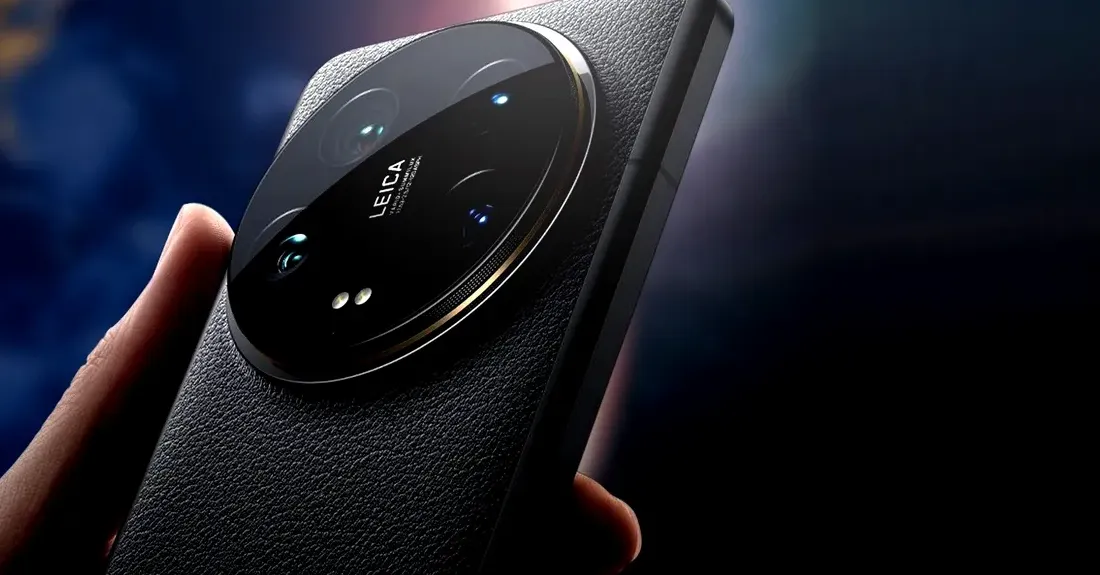
Maintaining a €1,499 price tag suggests that Xiaomi has finally achieved the “economy of scale” they’ve been chasing in the ultra-premium segment for years. They aren’t trying to squeeze an extra hundred Euros out of their most hardcore fans; they’re trying to build a lasting legacy. The Ultra series has always been about the camera—that massive 1-inch sensor and the prestigious Leica partnership—and keeping the price stable is a move of absolute confidence. They know the hardware is good enough that they don’t need to rely on “new year, higher price” marketing tactics to prove its worth. They’re letting the tech speak for itself.
And let’s be real, the competition is absolutely fierce right now. With Apple’s rumored special event on March 4th potentially introducing the iPhone 17e, and Samsung’s S26 series already making waves in the tech community, Xiaomi needs more than just high-end specs. They need a value proposition that makes sense. If you can get a “no-compromise” Ultra device for the same price as last year’s model, while the competitors are slowly creeping up in price, the choice becomes a lot easier for the enthusiast who just wants the best camera possible without feeling like they’re being taken for a ride.
Is Skipping the February Madness a Stroke of Genius or a Massive Gamble?
I’ve heard some skeptics argue that waiting until May is a massive mistake. “You’ll miss all that early-year hype!” they say. “People will have already spent their upgrade budgets on the new Galaxy!” But I think that’s outdated, old-school thinking. The “hype cycle” has flattened out significantly. We don’t buy phones in a frantic rush anymore; we buy them when we’re actually ready. By launching in May, Xiaomi avoids the long shadow of the S26 launch and the late-year iPhone 17 rumors. They get the stage all to themselves for the summer months, which is a brilliant bit of counter-programming.
This timing also allows them to navigate an increasingly complex global supply chain. A 2025 Reuters report highlighted that while semiconductor lead times have finally stabilized, shipping and regional logistics remain incredibly volatile. A May launch gives Xiaomi the extra time to ensure that when they say a phone is “available,” it’s actually sitting on a shelf in Berlin, Jakarta, and Madrid simultaneously. There’s nothing that kills brand loyalty faster than a “paper launch” where nobody can actually buy the device for three months after the announcement. We’ve all been there, and it’s frustrating as hell.
Plus, let’s consider the software side of the equation. We’ve seen a massive push toward integrated AI ecosystems lately. If the Xiaomi 17 is going to be a true contender, its AI features need to be flawless, not just “good enough.” An extra two months of optimization for HyperOS could be the literal difference between a feature that feels like a useless toy and one that feels like an indispensable tool. Personally, I’d much rather wait until May for a phone that actually works than have a buggy, unfinished one in my pocket in February.
Are We Finally Seeing the End of the Ever-Increasing Smartphone Price Tag?
So, does this mean the era of the “wallet-friendly” flagship is finally back? Well, not exactly. A thousand Euros is still a serious amount of money for anyone. But what we are seeing is a return to a much-needed sense of *predictability*. For a few years there, it felt like smartphone prices were spiraling out of control with no ceiling in sight. Xiaomi’s decision to stay at €999 and €1,499 feels like a long-overdue market correction.
It’s a signal to the rest of the industry that there is a hard limit to what even the most dedicated tech fans are willing to pay. It’s also a testament to how far Xiaomi has come as a brand. They don’t feel the need to be the “cheapest” option on the shelf anymore; they just need to be the “fairest.” If they can deliver the rumored 17 Ultra specs—which likely include the latest Snapdragon silicon and even more refined Leica optics—at that stable price point, they might just win the year by default.
Why is Xiaomi launching the 17 series in May instead of February?
It looks like a strategic pivot. By moving away from the crowded MWC window, Xiaomi can focus on software optimization and ensure they have enough stock for a global rollout. It also gives them some distance from the heavy hitters like Samsung and Apple, letting them own the conversation in late spring.
Is 12GB of RAM really enough for a flagship in 2026?
Absolutely. While some brands might chase higher numbers for marketing, 12GB is currently the “sweet spot” for high-end Android performance. It provides plenty of overhead for heavy multitasking and the demanding on-device AI features that are basically mandatory for the 2026 smartphone experience.
How does the Xiaomi 17 Ultra price compare to older models?
The rumored price of €1,499 is a direct match for the launch price of the Xiaomi 14 Ultra. In today’s economy, that’s a big win. It suggests that Xiaomi is prioritizing price stability and customer loyalty over short-term margin hikes, despite the rising costs of components.
Wait or Buy? The Case for Holding Your Breath Until May
Ultimately, the Xiaomi 17 series represents a much more mature version of the company we knew ten years ago. They aren’t the scrappy underdog trying to disrupt the market with dirt-cheap prices anymore; they are a calculated titan of the industry. The decision to wait, the decision to hold the price steady, and the focus on 12GB of RAM as a solid baseline all point to a brand that understands its audience better than ever before.
If you’re currently rocking a two-year-old phone and the battery is starting to give up the ghost, my advice is simple: just wait. Don’t get distracted by the March events or the early-year discounts on older tech that’s about to be replaced. May is only a few months away, and if these leaks hold true, your wallet—and your inner tech geek—will thank you for the patience. The era of sanity in tech pricing might just be starting, and honestly, it’s about time.
This article is sourced from various news outlets. Analysis and presentation represent our editorial perspective on the current state of the mobile market.